How Long Does Water Damage Repair Take? What Your Property Changes
By Patch and Paint
Why water damage repairs take different amounts of time
A water mark on a wall can look like a small decorating problem. But the visible stain does not show how much moisture is behind it, or whether the material is ready to be repaired. That is why there is no single duration that applies to every water damage repair.
The property itself makes a difference. A shallow mark on a sound, dry surface is a different job from damage that has reached plaster, timber or more than one part of a room. Before deciding what can be repaired and finished, it matters what has become wet and whether it has dried sufficiently.
The material matters
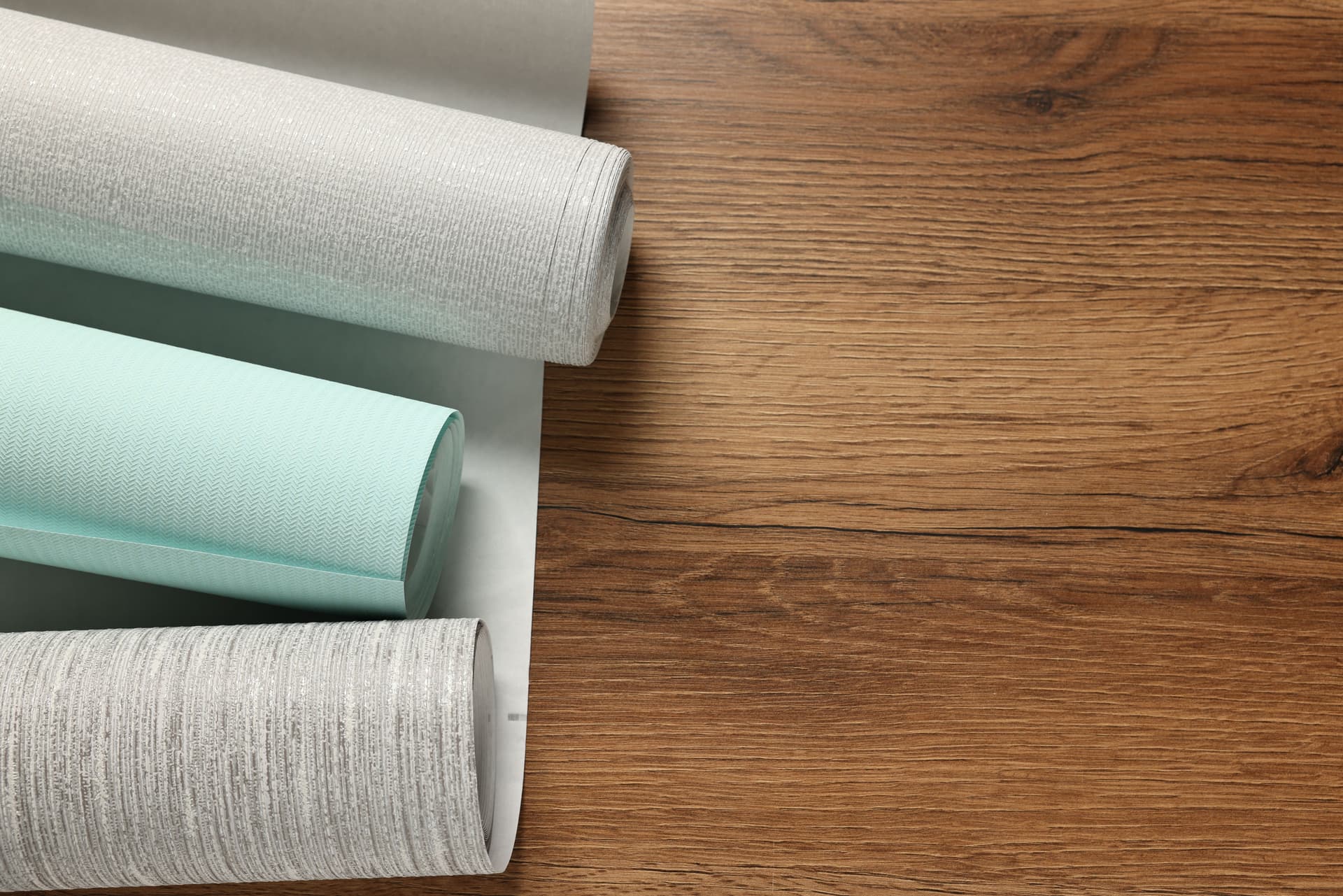
Different materials respond to water in different ways. Plaster may soften, lose its bond or retain moisture beneath a surface that looks dry. Timber can take up moisture and may need repair if it has swollen or deteriorated. Wallpaper and paint can show staining, blistering or lifting, but covering those marks does not deal with damp material beneath them.
The construction behind the finish matters too. A wall with a cavity, a layered lining or several coats of older decoration may behave differently from a simple plastered surface. The layout can also affect access: damage behind fitted units or close to joinery may need more careful preparation than an exposed patch.
The affected area may be larger than the mark
Water can travel away from the point where it first appeared. It may spread down inside a wall, across a ceiling or along a floor before showing through the finish. So the visible edge of a stain is not always the edge of the affected material.
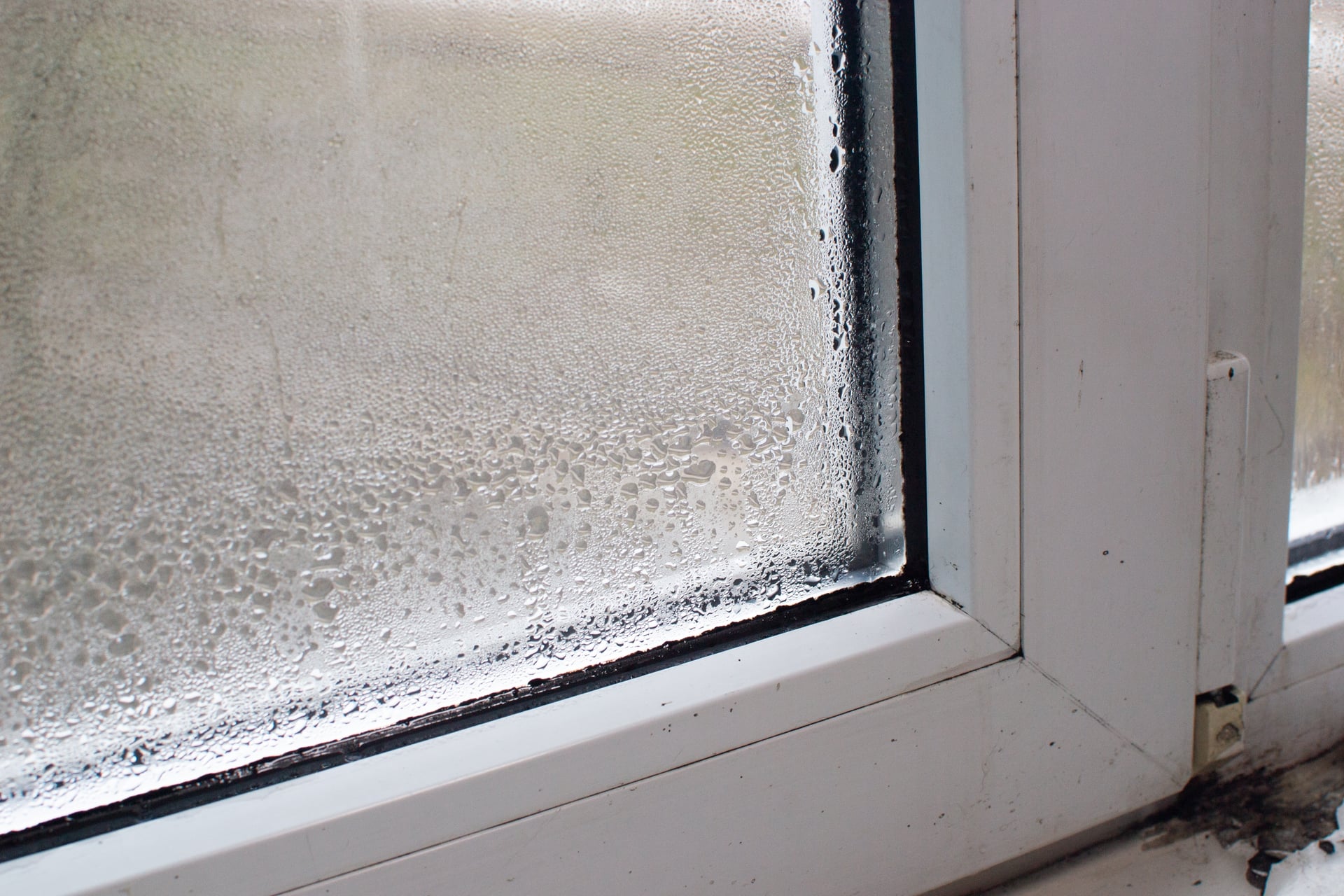
If you are checking the room before arranging a repair, note where the staining starts and whether there are changes nearby, such as bubbling paint, loose wallpaper, a musty smell or soft plaster. Take photographs and make a note of when you first noticed the problem. Do not cut into walls or ceilings to investigate, and keep clear of any area where water may have reached electrical fittings. If there is an active leak, contact the relevant person to stop its source before planning the finishing work.
These observations help describe the problem, but they cannot confirm what is happening inside a wall or ceiling. The repair plan depends on the affected materials, not just what can be seen from the room.
Drying is part of the repair, not a pause in the work
Finishing too soon can lead to problems later. Moisture left in plaster or another underlying material can stop repairs sticking properly, cause fresh staining or damage new paint and wallpaper. A surface that feels dry to the touch may still hold moisture deeper in the material.
The amount of drying needed depends on how much water entered, how long materials were exposed, the type and thickness of the underlying material, and whether concealed areas are affected. It also depends on the source being dealt with. If water is still entering, repairs to the finish are unlikely to remain sound.
That means the sequence matters: the damaged area needs to be understood, the source of water addressed, and the underlying materials allowed to dry sufficiently before repair and redecoration. The work that follows could involve plaster repairs, wood repair, using a coating to stop stains showing through, and redecorating, depending on what the property needs. The exact scope cannot be judged from a stain alone.
What helps establish a realistic timeframe?
When discussing the job, share what you know about where the water came from, when you noticed it and which rooms or surfaces are affected. Mention any earlier repairs or recurring marks, as these may help distinguish a one-off incident from a continuing issue. Clear access to the damaged area can also make inspection and repair more straightforward.
A useful timeframe should account for both the condition of the materials and the finish required. A small, accessible repair to a dry surface is not comparable with a job involving damp plaster, affected timber or a larger area that needs to blend with surrounding decoration. If the scope changes once concealed damage is found, the plan may need to change as well.
For a general overview of the work, read about our Water Damage Repair service. Here in Guildford, at Patch and Paint, we can discuss the condition of your affected surfaces and the repair work you are considering. A property-specific assessment is the sensible way to understand what needs doing before settling on a timeframe.