
How We Prepare Walls Before Wallpapering in Guildford
By Patch and Paint
Why preparation decides the quality of a wallpapered room
Wallpaper can only look as good as the surface beneath it. Paper may hide a change of colour, but it will not reliably hide loose plaster, raised filler, damp staining, flaking paint or a badly repaired crack. Once adhesive has dried, those defects can become more noticeable because the wallpaper follows the shape underneath.
When we prepare a room, our aim is not simply to make the wall look cleaner. We create a surface that is sound, reasonably even and suitable for the particular wallpaper being installed. That decision depends on the condition of the wall, the type of paper and how much texture the finished surface will reveal.
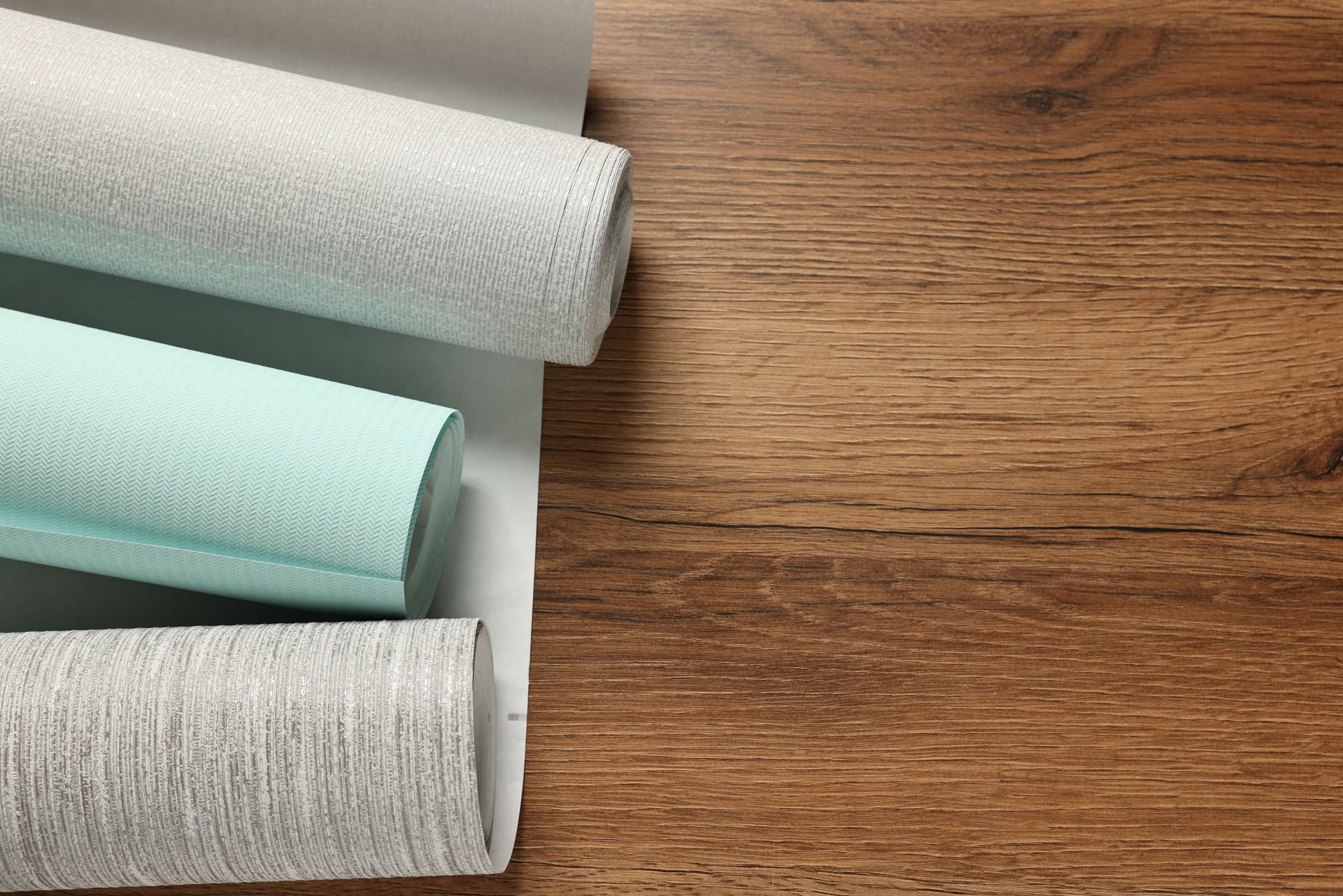
Our Wallpapering service covers both the preparation and the hanging, so the two stages can be planned together rather than treated as separate jobs.
What we check before touching the walls
We start by looking at the existing surface rather than assuming every wall needs the same treatment. Painted plaster, bare plaster, old lining paper, previous wallpaper and repaired areas all behave differently when adhesive and moisture are introduced.
We check for:
- Loose or bubbling existing coverings
- Cracks, holes, dents and uneven filler
- Flaking paint or powdery plaster
- Previous repairs that stand proud of the wall
- Water staining or marks that could bleed through
- Corners, chimney breasts, alcoves and areas around sockets or switches
- Changes in texture between different sections of the wall
This assessment also helps us understand how the paper will work in the room. A bold printed design can draw attention to poor joins and uneven backgrounds. A thinner paper may show surface defects that a more substantial covering would disguise. Heavy or textured papers can need a more stable backing because their weight places greater demands on the adhesive and wall surface.
Removing what should not remain underneath
If existing wallpaper is loose, damaged or unsuitable for the new covering, we remove it before preparing the wall. Hanging over unstable paper can trap problems beneath the new finish. As the adhesive softens the layers, old seams may lift, blisters can form and the surface may move independently from the wall.
Removal needs to be controlled. Pulling aggressively can damage the face of plasterboard or tear away sound plaster. We work according to how the old covering is bonded and then inspect what has been exposed. The important point is that stripping is not the end of preparation. It reveals the condition of the wall, which determines the next step.
Repairing the wall properly
Small holes and shallow imperfections can usually be filled, allowed to harden and sanded back so the repair does not show through the paper. Cracks need more attention than simply brushing filler across them. Their width, position and movement can indicate whether the surrounding material also needs stabilising.
Where the surface is badly uneven, local filling may not be enough. Plastering or applying a new thin layer of plaster can provide a more consistent background, while restoration or wood repair may be relevant around older features, timber trims or damaged detailing. Our wider plastering, restoration, carpentry and joinery services allow us to deal with those adjoining issues as part of the preparation plan when required.
We also remove dust after sanding. Fine dust left on the wall can weaken adhesion and create a gritty texture beneath the paper. Preparation is complete only when the surface is clean, firm and ready for the next product.
Dealing with stains and moisture marks
A visible stain is not just a colour problem. If it has come from water damage, the source and condition of the surface need to be considered before covering it. Paper applied over an area with an unresolved problem may develop discolouration, fail to stick properly or leave an unpleasant finish.
Where appropriate, we use stain blocking as part of the preparation. This creates a barrier between the underlying mark and the new finish, but it does not replace dealing with active damage. The wall must be suitable to cover, and any necessary repair needs to be understood before hanging begins.
When lining paper is the right backing
Lining paper can help produce a more uniform background, particularly where the wall has variations that cannot be removed economically through local repairs or where the chosen wallpaper benefits from additional support. It can also help reduce the contrast between different areas of the wall surface.
It is not an automatic solution for every wall. If the surface beneath is loose, damp, heavily uneven or poorly repaired, lining over it simply conceals the issue temporarily. We choose the type and use of lining paper according to the wall and the covering, then allow the preparation to settle before the decorative paper is installed.
What you should expect before hanging starts
A properly prepared room may look less dramatic than a freshly papered one, but you should be able to see that the process has been methodical. Old covering has been removed where necessary, repairs are flush, dust has been cleared and problem areas have been addressed rather than hidden.
Only then do we move on to measuring, setting out and hanging. That sequence matters because accurate pattern matching cannot compensate for a weak or uneven base. If you are considering wallpapering in Guildford or nearby areas, we can assess the walls, explain the preparation required and plan the work around the paper you have chosen. Contact Patch and Paint to discuss your room and request a clear quote based on its actual condition.