
Wallpapering
Wallpapering
How It Works
I visit to measure, check surfaces and discuss paper type, pattern repeat and hanging method (paste‑the‑wall or paste‑the‑paper), then agree the work plan.
Old coverings are removed where required and walls are repaired — filling, re‑skimming or stain‑blocking — and lined where needed to give a stable backing for the new paper.
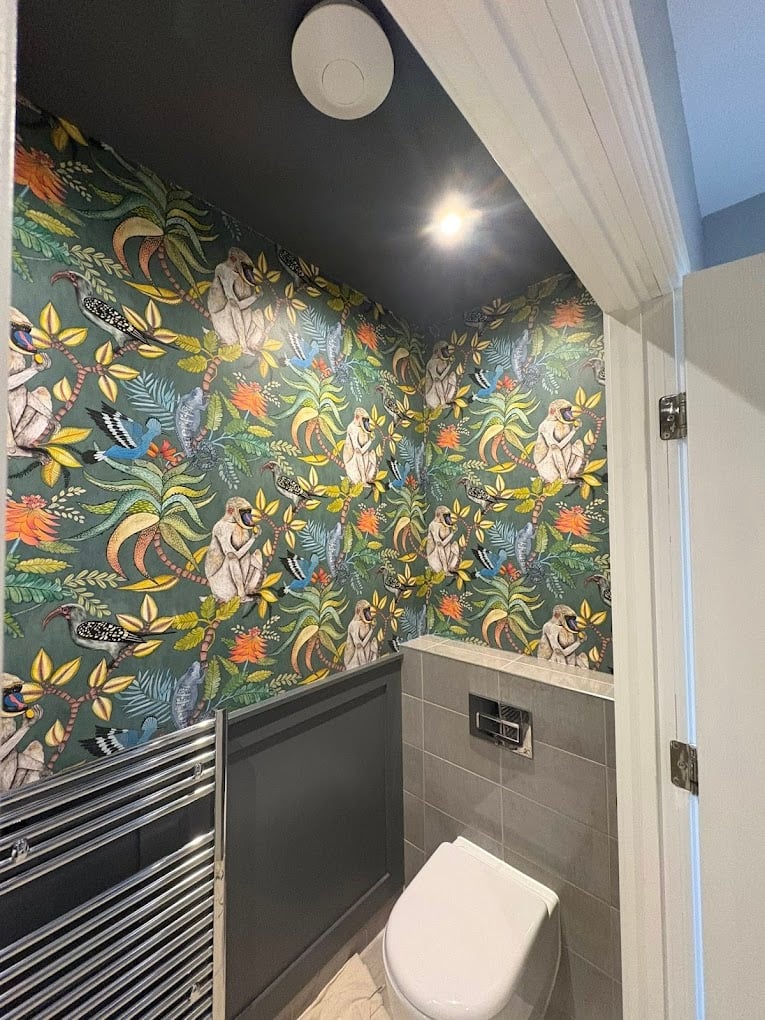
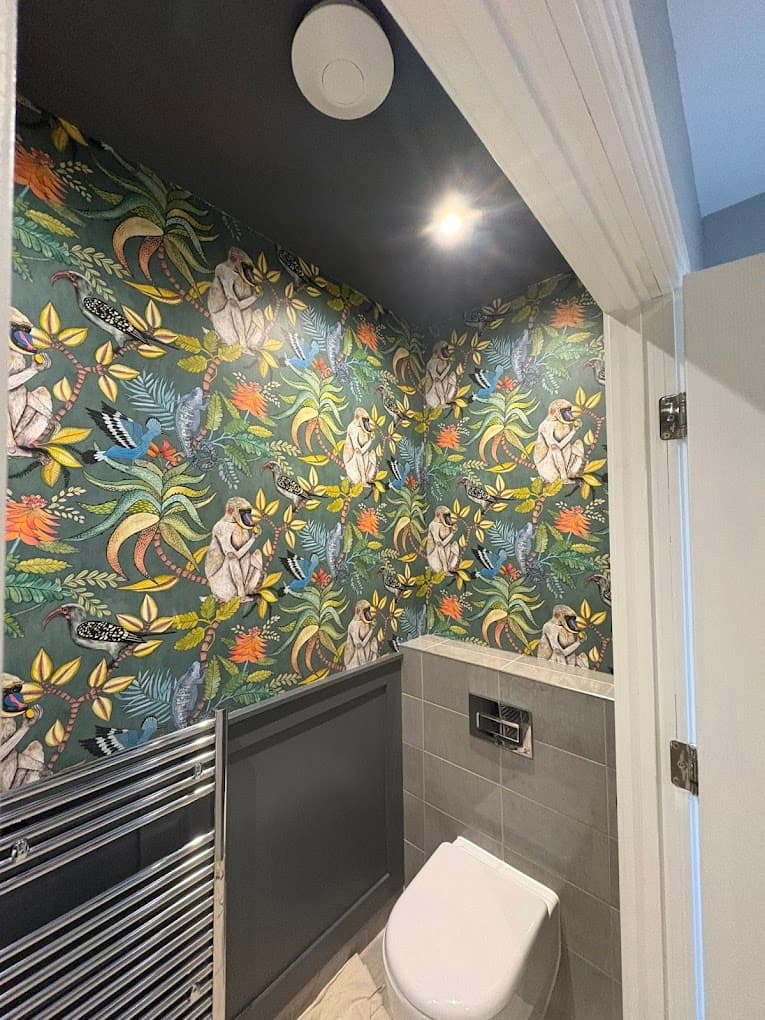
Paper is hung with accurate pattern matching, double cuts at trims and neat mitres at corners; final checks and a full clean‑up complete the job.
Why Choose us for Wallpapering?
Trusted sole‑trader service
Over 20 years in the trade and a single point of contact for every job — consistent workmanship, clear communication and reliable finishings on each visit.
Precision pattern matching
Skilled handling of straight, half and drop matches, lining paper for heavy papers and specialist techniques for textured or printed wallcoverings.
Transparent & insured
No deposit policy, fully insured with public liability cover up to £2,000,000 and a commitment to leave the room tidy and ready to enjoy.
What I do. I hang and remove wallpaper to a tradesman's standard: lining where required, accurate pattern repeat matching, double‑cutting at door and window reveals, mitred corners and neat trims. I work with standard paste‑the‑wall papers, paste‑the‑paper papers, heavy vinyls and textured coverings. Where walls need attention first, I offer filling, re‑skimming and stain‑blocking so the paper sits true and the finish lasts.
What to expect. A clear, no‑nonsense approach from a sole‑trader: an initial survey to agree scope, respectful working around furniture and floors, and a final inspection with you. I cover Guildford and most towns within an hour's drive, carry full public liability insurance to £2,000,000 and do not take customer deposits — just reliable workmanship and a tidy finish.
Frequently Asked Questions
Yes — I remove existing coverings as part of the service where needed. After stripping I inspect for damage, carry out any necessary filling or re‑skimming, and apply stain‑blocking if there are marks or water stains before hanging new paper.
Absolutely. I use lining paper on difficult substrates and take extra time to match drop and half‑drop repeats. For large or complex patterns I plan the sequence to minimise waste and ensure seams fall correctly across doorways and corners.
Preparation depends on the existing surface — common tasks are removal of old paper, filling cracks and holes, light sanding, re‑skimming where necessary and applying lining paper for heavy coverings. I always assess and advise the best prep during the survey so the finish is durable.
No. Patch and Paint operates a no‑deposit policy. I aim to build trust through clear quotes, on‑time visits and consistent workmanship rather than asking for upfront payments.
Time depends on room size, paper weight and pattern repeat. A small, simple room can often be finished in a day; rooms with high ceilings, heavy textured coverings or complex pattern matching will take longer. I provide a realistic timetable after the survey.