
Plastering

Plastering
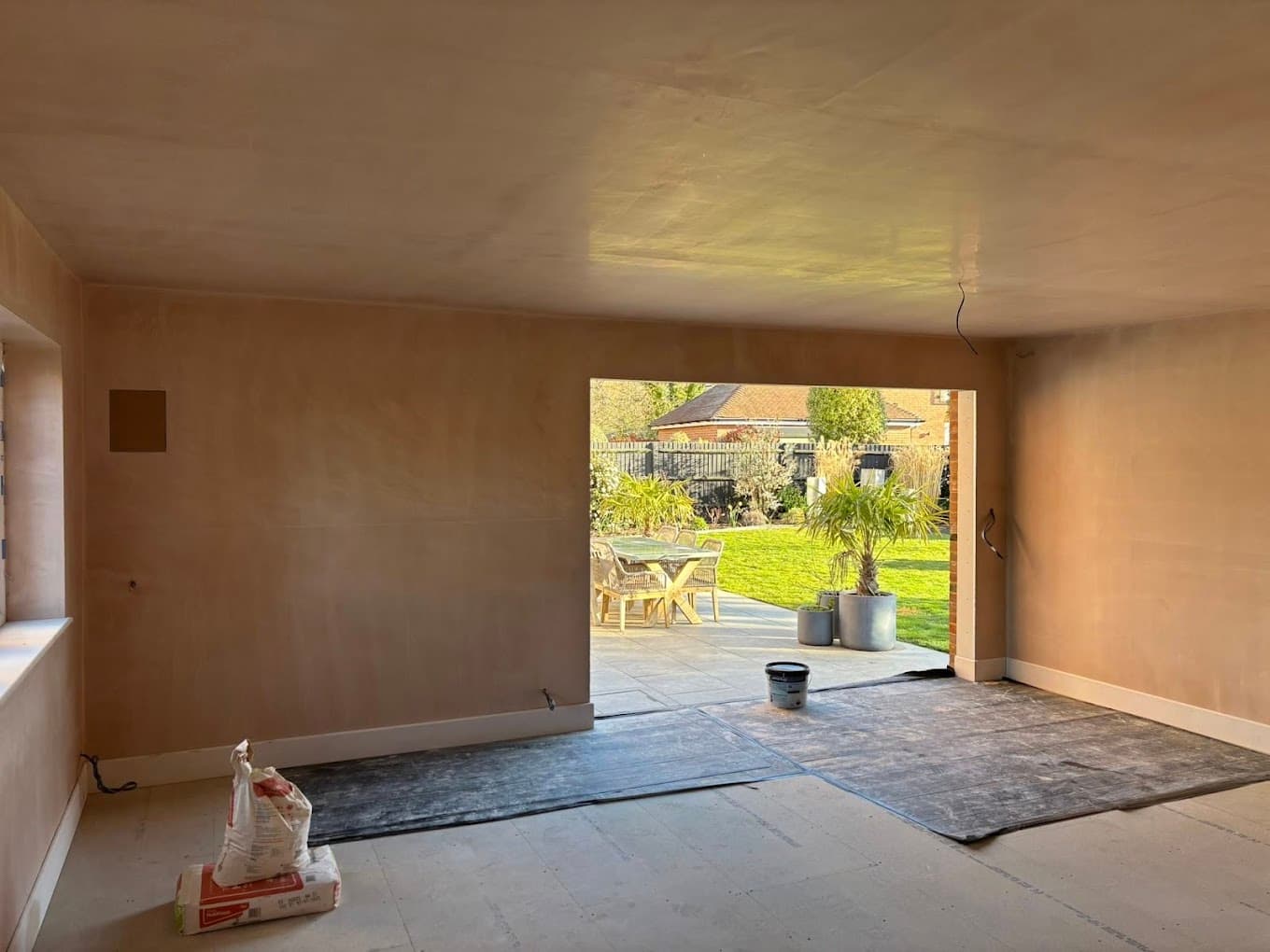
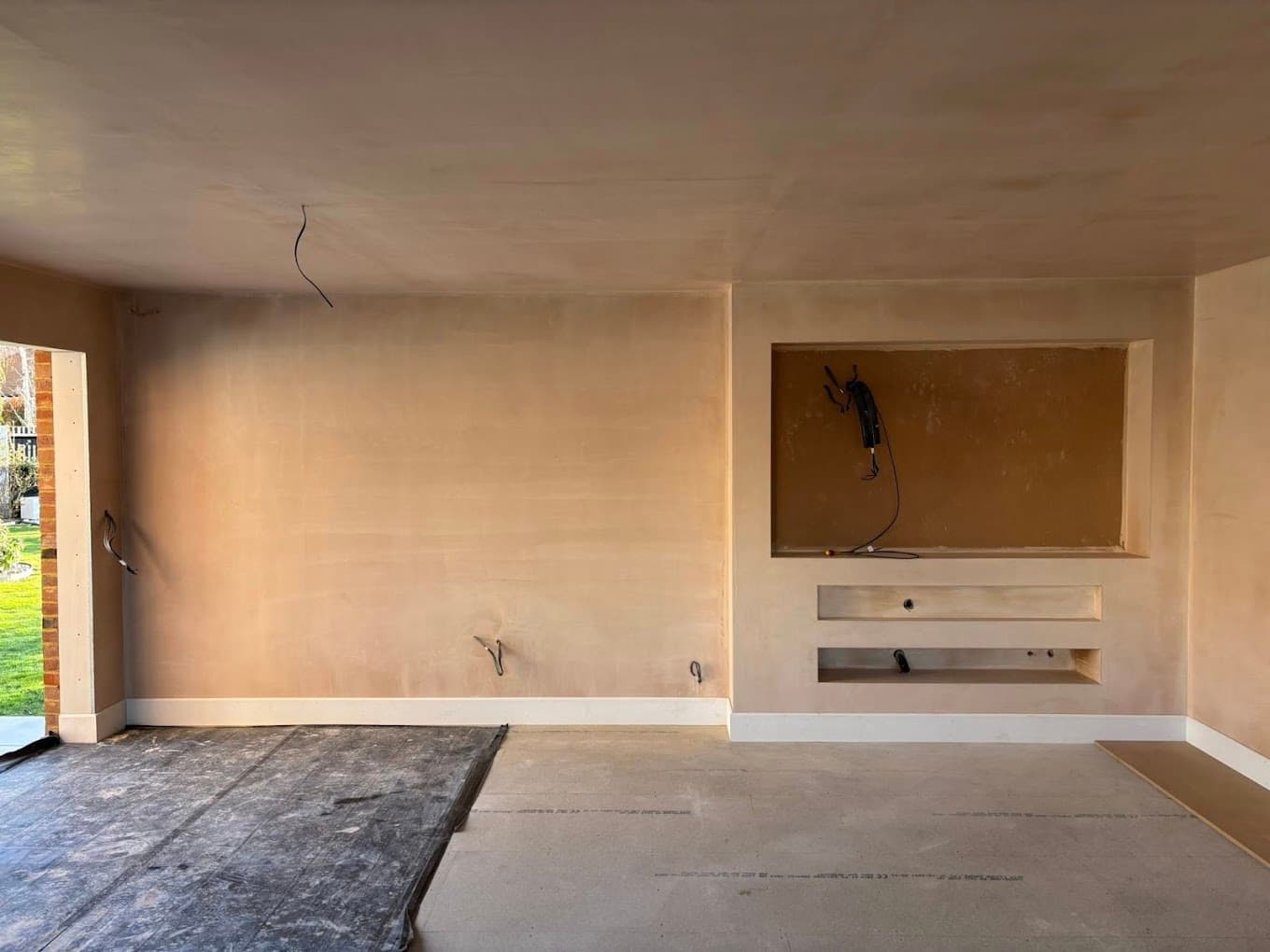
How It Works
I inspect the damage or finish required, check substrate (lath, plasterboard, render) and explain options — repair, spot‑skim or full skim — then give a clear written quote.
I prepare the area: secure loose plaster, treat water stains, replace failed lath or plasterboard where needed, and apply appropriate bonding coats and scratch coats for a lasting repair.
Finish with a gypsum or traditional lime skim as appropriate, match the existing texture and leave surfaces fully prepared for decoration. I tidy up and talk through aftercare and drying times.
Why Choose us for Plastering?
Hands‑on sole‑trader service
You deal directly with the tradesperson who does the work — consistent standards, clear communication and no middlemen from survey to sign‑off.
Skill to match any finish
Over 20 years in the industry, including nine years on‑site, means accurate matching of smooth finishes, stipple, traditional plasterwork and seamless repair blending in period homes.
Trust and protection
No deposit policy and public liability cover up to £2,000,000 give you confidence. I also offer two free colour samples when the job includes decoration.
What I do: I carry out small and large plaster repairs, full skims of walls and ceilings, cornice and coving repairs, and preparatory work for painting or wallpapering. Common jobs include repairing hairline cracks, replacing damaged lath and plaster sections, treating and re‑skimming water‑stained ceilings, and matching textures on period terraces or modern flats. I choose the correct materials — gypsum skim for modern plasterboard, or traditional lime mixes where older construction requires it — so the repair behaves correctly over time.
How I work: Work is tidy and practical. I protect floors and furniture, control dust with local extraction where needed, and keep disruption to a minimum. After finishing the plaster I check moisture and advise on appropriate drying/ventilation before decoration. As a sole‑trader I provide personal guarantees on workmanship, clear communication throughout the job and a straightforward, no‑nonsense approach to scheduling and completion.
Frequently Asked Questions
Yes. I have experience matching period textures — from fine float finishes to light stipple and traditional moulded details. I’ll assess the substrate and use the appropriate scratch coats and finishing technique to blend repairs so they’re hard to spot once painted.
Drying time depends on depth, substrate and ventilation. Thin skims can be touch‑dry within a day or two, but thicker repairs and whole‑room skims need longer to dry through. I’ll advise expected drying times on site and only leave surfaces ready when they’re appropriate for decoration.
I use the material best suited to the building. Gypsum-based skims are standard for modern plasterboard, while lime or traditional mixes are used for older solid‑walled properties to allow breathability and reduce future cracking.
I aim to keep disruption minimal. I protect floors and furniture, seal doorways to limit dust spread and clean up each day. For larger jobs I use dust control methods and agree a schedule so you know when noisy or messy work will happen.
I don’t take customer deposits — my no‑deposit policy is a trust‑based approach that many local homeowners prefer. I’m fully insured with public liability cover up to £2,000,000 and provide a clear written quote and scope of works before any job starts.